

Degenerative Disc Disease
Carpal tunnel syndrome — numbness, tingling, and pain in the hand and wrist — is often connected to more than just the wrist itself. At Two Sparrows, we evaluate the neck, shoulder, and wrist together for a fuller picture of what's contributing to your symptoms.
Chronic, low-grade back or neck pain
Stiffness that's often worse in the morning
Pain that may flare with certain activities or positions
Symptoms that can wax and wane over time
Symptoms We Commonly See
Understanding Degenerative Disc Disease
Understanding the typical progression of disc degeneration can help put a sometimes alarming-sounding diagnosis into better context.
Why It Happens
As we age, spinal discs naturally lose some hydration and height, which is a normal part of the aging process for nearly everyone to some degree. Symptoms arise when this degeneration contributes to joint restriction, nerve irritation, or instability, rather than from the degeneration itself.
Typical Progression
Early changes — mild dehydration and height loss in the disc, often with no symptoms at all
Moderate changes — more noticeable disc height loss, sometimes with intermittent stiffness or discomfort
Advanced changes — significant disc height loss, sometimes with associated joint changes and nerve irritation
An Important Point About Imaging
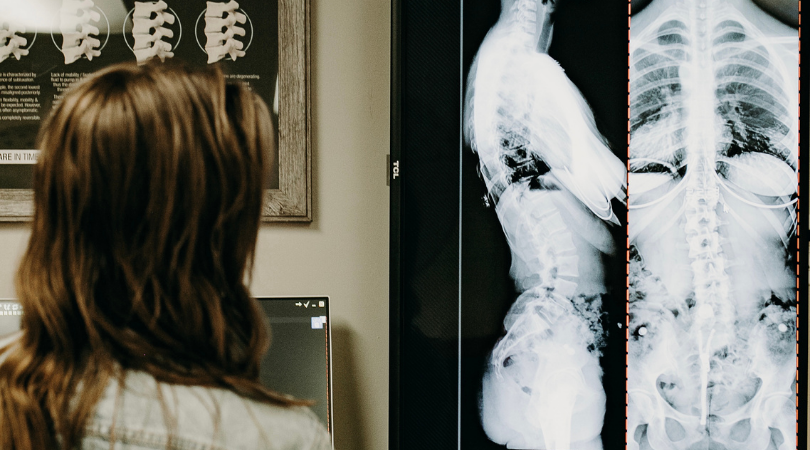
Studies looking at spinal imaging in people with no back pain at all have found disc degeneration is extremely common, increasing significantly with age — many people in their 40s, 50s, and beyond have some degree of disc degeneration visible on imaging without ever experiencing symptoms. This is genuinely reassuring context worth understanding if you've received this diagnosis.
Common Contributing Factors
Natural aging process
Genetics (some people are more prone to earlier disc degeneration)
Repetitive loading from certain occupations or activities
Smoking, which affects disc nutrition and healing
When to Seek Medical Evaluation
Seek medical evaluation if degenerative changes are accompanied by progressive neurological symptoms (weakness, significant numbness) or if pain is severe and unresponsive to conservative care over a reasonable trial period.
Our Approach
We focus on supporting the function of the spine around the affected discs — improving movement, reducing compensatory strain, and addressing any nerve irritation — rather than trying to reverse degenerative changes that are a normal part of aging.
This information is for educational purposes and is not a substitute for medical advice.
Frequently Asked Questions

-
Many people have some degree of disc degeneration visible on imaging without ever having symptoms. It's a common finding, not necessarily a serious diagnosis on its own.
-
No — degenerative changes aren't reversible, but chiropractic care can support function and comfort, often significantly reducing symptoms even when the underlying degeneration remains.
-
Degenerative changes are generally a slow, ongoing process, but symptoms don't necessarily worsen at the same rate. Staying active and maintaining spinal function can help manage symptoms long-term.
— not defined by a diagnosis on a scan, but supported in moving and living well despite what your spine has been through over the years.
Holistic, non-invasive chiropractic care helps to provide a clear and hopeful path forward for you and your family, meeting you exactly where you are, whether you're dealing with a nagging ache that's overstayed its welcome or searching for real answers after years of being told to just live with it. You don't have to have all the answers today — just a willingness to explore what's possible, one gentle step at a time.