

Difficulty Latching / Breastfeeding Issues
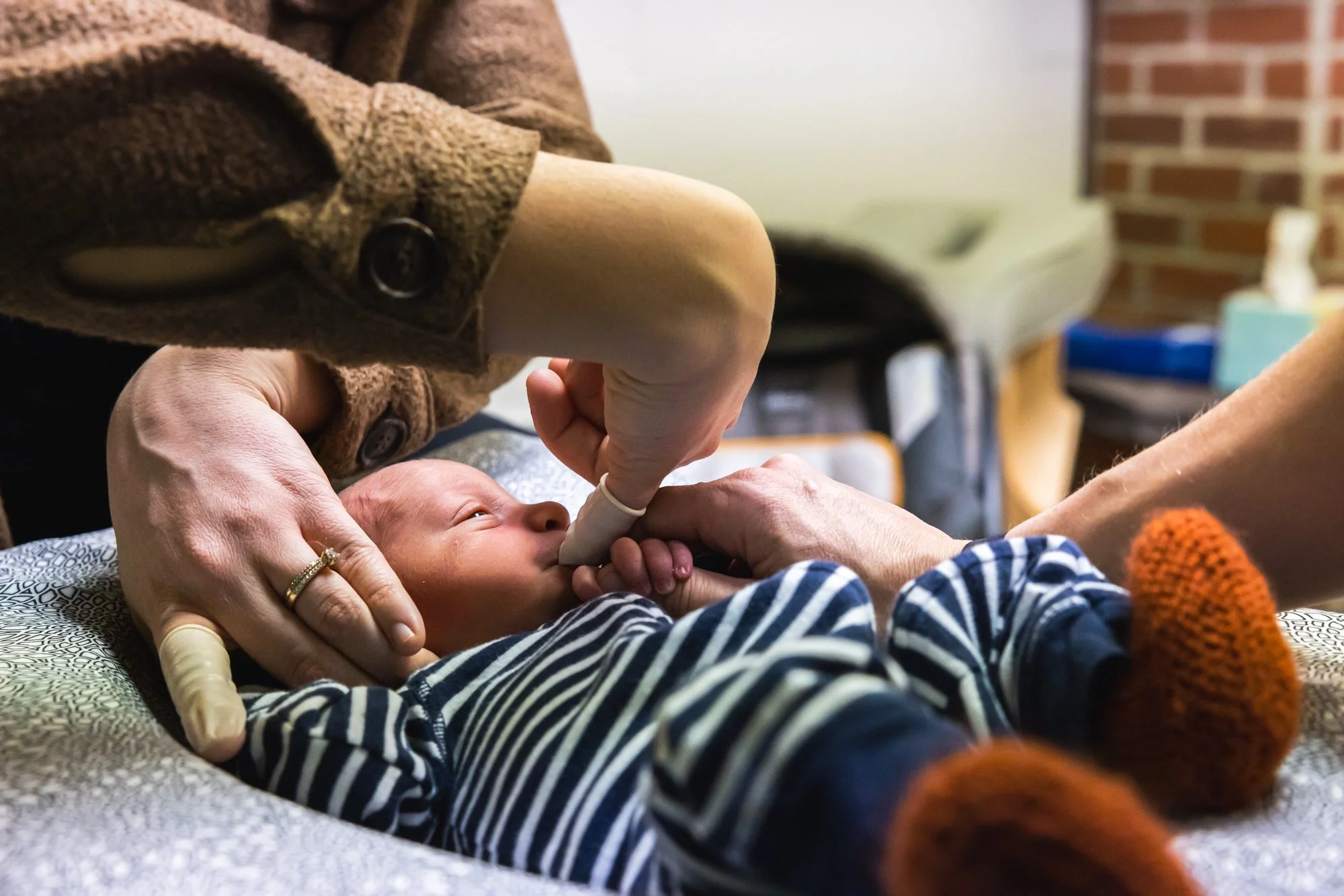
Breastfeeding difficulties can be exhausting and discouraging for new parents. While there are many possible causes, some latching issues are related to physical restriction in a baby's neck and jaw movement — an area gentle chiropractic care can help evaluate.
Symptoms We Commonly See
Difficulty latching or maintaining a latch
A preference for nursing on one side over the other
Clicking sounds while nursing
General fussiness or discomfort during feeding
Understanding Latching Difficulty
Latching difficulty can stem from a combination of factors, and understanding the common categories helps clarify why a team approach often works best.
Why It Happens
The physical process of birth can create tension in a baby's neck, jaw, and upper spine, which may limit the range of motion needed to latch comfortably and effectively. When a baby can't turn or open their mouth fully in a comfortable way, latching can become difficult even when other factors (like positioning or tongue-tie) have been addressed.
Common Contributing Categories
Anatomical factors — including tongue-tie or lip-tie, which require evaluation by your pediatrician or a specialist
Positioning factors — how baby and parent are positioned during feeding, which a lactation consultant specializes in addressing
Movement restriction factors — limited range of motion in baby's neck or jaw, which chiropractic evaluation focuses on
Milk supply and flow factors — which a lactation consultant is best positioned to assess
Why a Team Approach Often Works Best
Because latching difficulty frequently involves more than one contributing factor, working with multiple providers — your pediatrician, a lactation consultant, and, when movement restriction is a factor, a pediatric chiropractor — tends to produce better results than addressing any single factor in isolation.
Signs That May Point to Movement Restriction Specifically
A clear preference for nursing on one side
Difficulty maintaining a latch when turning toward one particular side
Clicking sounds that seem related to positioning rather than just suction
When to Seek Medical Evaluation
Contact your pediatrician promptly for: poor weight gain, signs of dehydration, or persistent latching difficulty despite lactation support — your pediatrician can also evaluate for tongue-tie or other anatomical factors that may need specific treatment.
Our Approach
We gently evaluate movement in your baby's neck, jaw, and upper spine, looking for restrictions that could be affecting their ability to latch comfortably, and use very light, specific techniques to support improved movement.
This information is for educational purposes and is not a substitute for medical advice. Please consult your pediatrician or a lactation consultant about ongoing breastfeeding difficulties.
Frequently Asked Questions

-
Yes — we often work alongside lactation consultants, since latching difficulty can have multiple contributing factors that benefit from a team approach.
-
In a secondary way, stress in the nervous system and spine can contribute. Tongue-tie is a separate, structural issue that a pediatrician or specialist evaluates. Chiropractic care addresses movement restriction in the neck and jaw, which is a different (though sometimes related) contributor to latching difficulty.
-
Very — techniques for infants use only a few ounces of pressure and are specifically adapted for a newborn's developing body.
— not a source of frustration and worry when latching just isn't clicking the way you hoped.
Sometimes that means looking beyond the obvious, and toward gentle, whole-body care that supports how your baby's body was designed to move and function — including the neck and jaw movement that latching depends on.
Holistic, non-invasive, Gonstead chiropractic care helps to provide a clear and hopeful path forward for you and your family, meeting your baby exactly where they are, working alongside your lactation consultant's guidance every step of the way.
You don't have to have all the answers today — just a willingness to explore what's possible, one gentle step at a time.