Low Back Pain
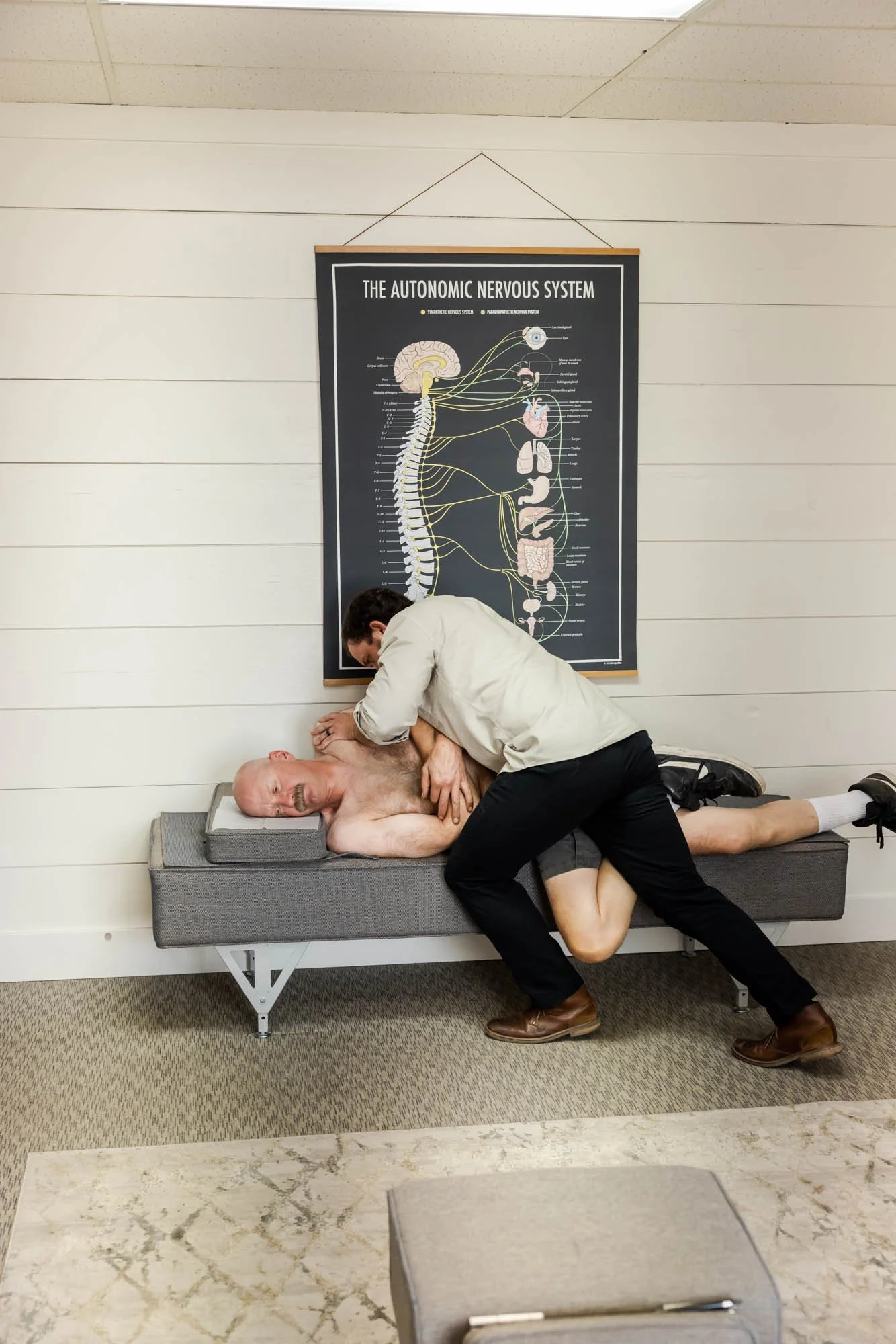
Low back pain is one of the most common reasons people seek out chiropractic care — and one of the most common conditions we treat at Two Sparrows Family Chiropractic in Whitefish, MT.
Symptoms We Commonly See
Understanding Low Back Pain
Low back pain is broadly grouped into a few categories, and understanding which type you're dealing with helps set realistic expectations for recovery.
Why It Happens
Low back pain can stem from many causes — muscle strain, disc issues, joint restriction, poor posture, old injuries, or repetitive stress from work or activity. A thorough Gonstead analysis helps identify the specific segment and cause contributing to your pain, rather than treating the low back generically.
Common Types
Acute low back pain — comes on suddenly, often from a specific movement, lift, or minor trauma. Typically resolves within days to a few weeks with appropriate care.
Subacute low back pain — persists between 4-12 weeks, often involving some degree of ongoing compensation or incomplete healing.
Chronic low back pain — persists beyond 12 weeks, and often involves multiple contributing factors layered on top of each other rather than a single clear cause.
Mechanical low back pain — the most common category, related to how the joints, discs, and muscles of the spine are moving and functioning, rather than an underlying disease process.
Common Contributing Factors
Prolonged sitting or sedentary work
Improper lifting technique or sudden heavy loads
Muscle imbalances, particularly weak core or gluteal muscles
Previous injuries that never fully resolved
Pregnancy-related changes (see our Pregnancy-Related Back Pain page)
Degenerative changes that build up over time
When to Seek Medical Evaluation
Most low back pain is mechanical and responds well to conservative care. Seek prompt medical attention if you experience: numbness or weakness in the legs, loss of bladder or bowel control, unexplained weight loss alongside back pain, fever with back pain, or pain following significant trauma.
Dull, aching pain in the low back
Sharp pain with certain movements, like bending or twisting
Stiffness, especially first thing in the morning
Pain that radiates into the hip or buttock
Our Approach
We start with a detailed history and exam, including full spine X-rays when appropriate, to understand exactly what's contributing to your pain. From there, we build an adjustment plan targeted to the specific segments involved — not a generic "low back" treatment.
This information is for educational purposes and is not a substitute for medical advice. Please seek immediate medical care for numbness, weakness, or loss of bladder/bowel control.

Frequently Asked Questions
-
This varies based on the cause and how long you've had symptoms. Some patients feel improvement within a few visits; others with longer-standing issues take more time.
-
We typically recommend full spine X-rays as part of our Gonstead exam process to get a clear, precise picture of what's happening.
-
Most low back pain is mechanical and responds well to conservative care. That said, sudden severe pain, numbness, weakness, or loss of bladder/bowel control requires immediate medical attention.
— not bracing before you bend down, dreading the drive, or planning your day around a back that never quite feels right.
Holistic, non-invasive chiropractic care helps to provide a clear and hopeful path forward for you and your family, meeting you exactly where you are, whether you're dealing with a nagging ache that's overstayed its welcome or searching for real answers after years of being told to just live with it. You don't have to have all the answers today — just a willingness to explore what's possible, one gentle step at a time.