

Birth Trauma/Difficult Delivery Recovery
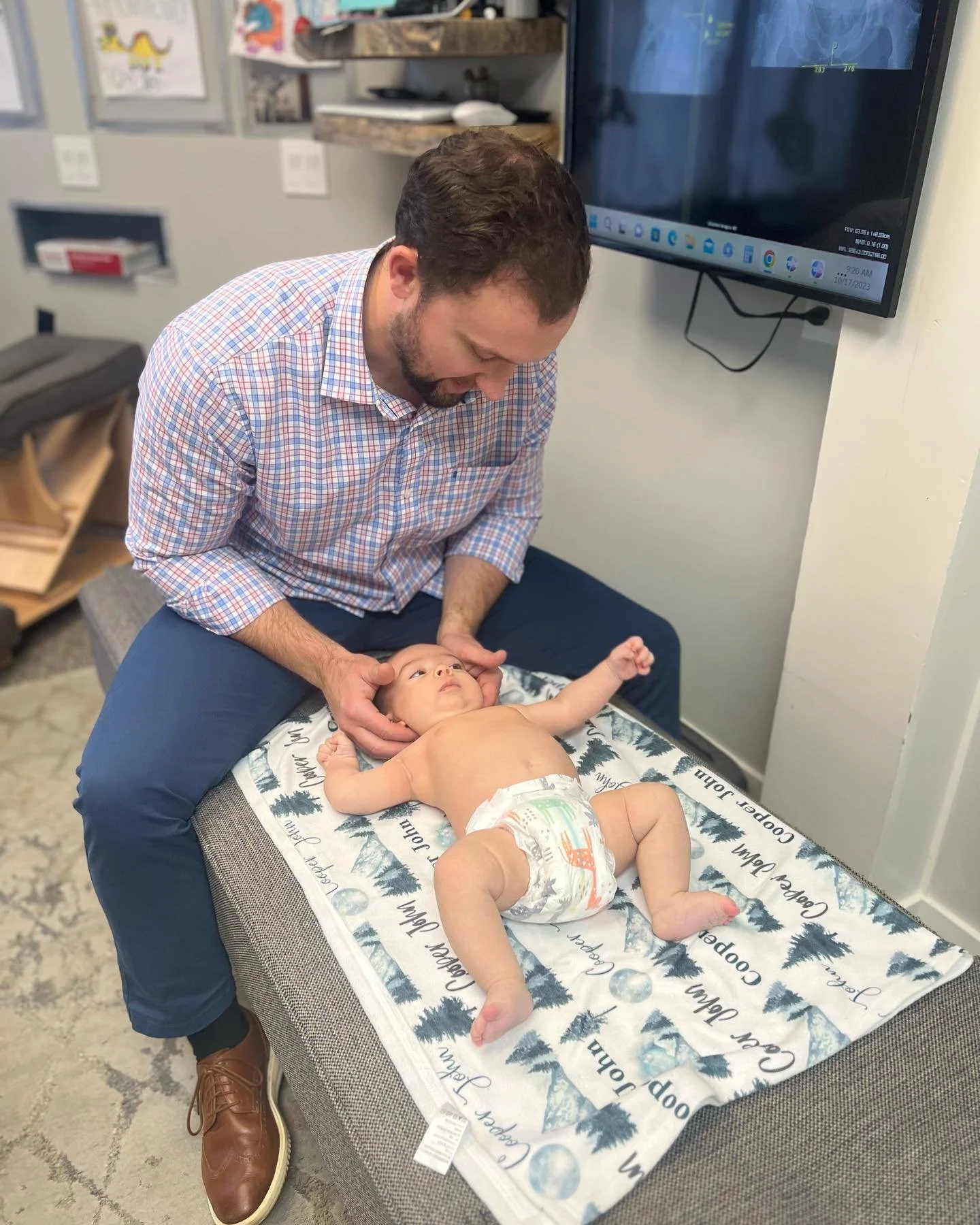
Even a medically uncomplicated birth is a significant physical event for a newborn's body, and deliveries involving vacuum or forceps assistance, a prolonged pushing stage, or a particularly fast (precipitous) labor can involve extra physical stress. At Two Sparrows, we offer gentle evaluation for newborns recovering from a difficult delivery.
What We’re Often Asked About
Babies born via vacuum or forceps-assisted delivery
A prolonged or particularly difficult pushing stage
A very fast (precipitous) labor and delivery
General fussiness or feeding difficulty parents notice in the days after a hard delivery
Understanding the Physical Demands of Delivery
Why the Delivery Process Matters
The birth process, especially when it involves assisted delivery tools, an extended pushing phase, or significant positional changes, can create tension or restriction in a newborn's neck and spine. This is a normal and often self-resolving part of the recovery process for most babies, though some benefit from additional gentle support.
Even routine deliveries involve significant physical forces on a newborn's body, and understanding this context can help normalize why gentle evaluation is a reasonable option many parents consider.
Situations That May Involve Additional Physical Stress
Vacuum or forceps-assisted delivery — involves direct mechanical force applied to guide baby through the birth canal
Prolonged second stage (pushing) labor — extended time in the birth canal can create sustained pressure on baby's head and neck
Precipitous (very fast) labor — rapid delivery doesn't allow the same gradual molding process a more typical-length labor allows
Shoulder dystocia — when a baby's shoulder becomes temporarily caught, sometimes requiring additional maneuvers during delivery
What a Gentle Evaluation Looks Like
An evaluation focuses on assessing your newborn's range of motion, symmetry, and comfort, using observation and extremely light touch — nothing resembling any kind of forceful technique.
When to Seek Medical Evaluation
Always follow your trusted health professional’s standard newborn checkup schedule, and contact them promptly for any concerns about feeding, movement, or comfort that seem to go beyond typical newborn acclimation.
Our Approach
We perform a gentle, thorough evaluation of your newborn's neck and spine, checking for any areas of restricted movement related to the birth process, and use extremely light, pediatric specific techniques — nothing like an adult adjustment — to support normal function.
This information is for educational purposes and is not a substitute for medical advice. Please consult your pediatrician about your baby's specific delivery and recovery.
Frequently Asked Questions

-
As soon as baby is cleared to return home! If you had a home birth, as soon as your midwife deems that baby is stable and healthy. The first check of an infant’s spine is gentle and non-invasive, so as long as baby is healthy, it is safe to perform an analysis on their nervous system.
-
Yes, when performed by a chiropractor with specific newborn and pediatric training — techniques are extremely gentle, using only a few ounces of pressure.
-
We always recommend keeping your trusted health professional informed and continuing your baby's regular pediatric care alongside any chiropractic evaluation.
— not clouded by worry over what a hard labor or difficult delivery may have meant for their tiny body.
Sometimes that means looking beyond the obvious, and toward gentle, whole-body care that supports how your baby's body was designed to grow, move, and heal.
Holistic, non-invasive, Gonstead chiropractic care helps to provide a clear and hopeful path forward for you and your family, meeting your newborn exactly where they are, right from those very first, tender days.
You don't have to have all the answers today — just a willingness to explore what's possible, one gentle step at a time.