

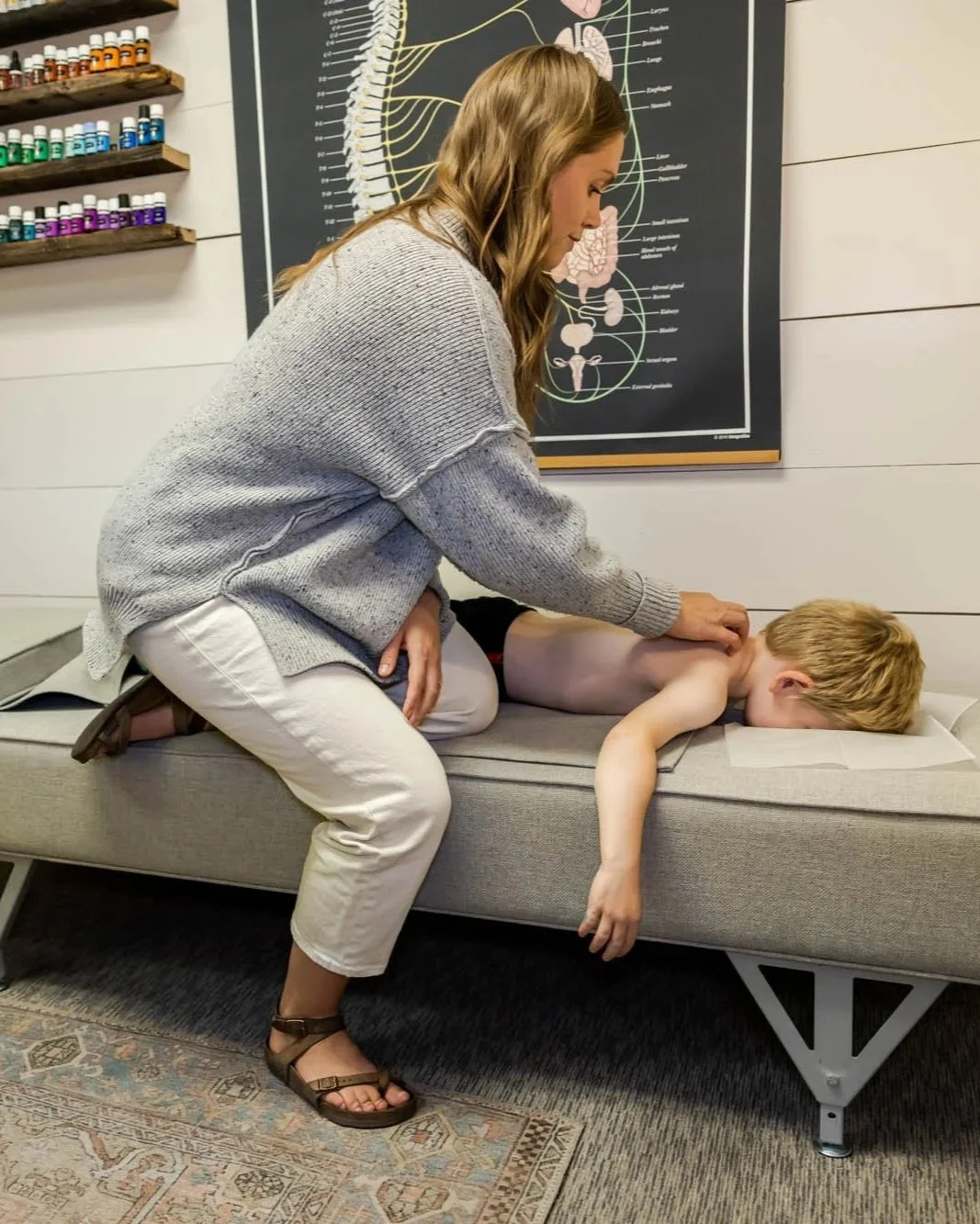
Poor Balance & Coordination
Some kids seem to fall more, trip more, or struggle with coordination compared to their peers. While a wide range of coordination is normal in childhood development, chiropractic evaluation is one option parents explore when balance concerns seem to be affecting daily activity.
Frequent falls or clumsiness beyond what seems typical for age
Difficulty with activities requiring coordination, like catching a ball or riding a bike
A child who seems to favor one side of the body
Balance concerns alongside other physical symptoms, like growing pains or postural asymmetry
Symptoms We Commonly See
Why It May Be Related to Spinal Function
The nervous system, which coordinates balance and movement, runs through the spine. For some children, restriction or dysfunction in spinal movement may be a contributing factor to balance and coordination challenges, alongside the many typical developmental factors involved in a child's coordination.
Understanding Coordination Development
Coordination develops along a wide but generally predictable timeline in childhood, which is helpful context for understanding what's typical versus what might warrant a closer look.
General Developmental Range
Motor coordination skills — balance, catching, running with control, riding a bike — develop across a genuinely wide age range from child to child, influenced by practice, opportunity, and individual development pace as much as by any underlying factor. Some variation in coordination between same-age peers is entirely normal.
Common Contributing Factors to Coordination Challenges
Simple developmental variation (the most common explanation)
Limited opportunity for practice and physical activity
Vision-related factors, which should be ruled out by an eye exam
Restriction in spinal movement affecting nervous system coordination signals
In a smaller number of cases, broader developmental factors best evaluated by a pediatrician
What's Usually Reassuring
Occasional clumsiness, a preference for certain activities over others, or coordination that's "behind" a highly athletic sibling are typically normal variations, not signs of an underlying issue.
When to Seek Medical Evaluation
Contact your pediatrician for: a sudden change in coordination or balance (rather than a longstanding pattern), coordination difficulty accompanied by other developmental concerns, or if coordination challenges are significantly impacting your child's daily function or safety — your pediatrician can help determine if further evaluation is warranted.
Our Approach
We evaluate movement and alignment throughout your child's spine, looking for any areas of restriction that could be affecting nervous system function, and use gentle, pediatric-specific adjustments to support normal movement patterns.
This information is for educational purposes and is not a substitute for medical advice. Please consult your pediatrician about persistent or significant balance and coordination concerns.
Frequently Asked Questions

-
Yes — coordination develops at different rates for every child, and occasional clumsiness is a normal part of childhood. Persistent or worsening coordination difficulty is worth having evaluated.
-
Yes — significant or persistent balance and coordination concerns should be evaluated by your pediatrician, who can help determine whether further specialist evaluation is needed.
-
For some children, addressing spinal restriction may support improved movement and balance, though results vary and it isn't a treatment for underlying developmental or neurological conditions.
— not falling more than their friends, or hesitant to try the things other kids seem to pick up so easily.
Sometimes that means looking beyond the obvious, and toward gentle, whole-body care that supports how your child's body was designed to grow, move, and heal.
Holistic, non-invasive, Gonstead chiropractic care helps to provide a clear and hopeful path forward for you and your family, meeting your child exactly where they are, alongside your pediatrician's guidance every step of the way.
You don't have to have all the answers today — just a willingness to explore what's possible, one gentle step at a time.