

Post-Surgical / Post-Injury Rehabilitation
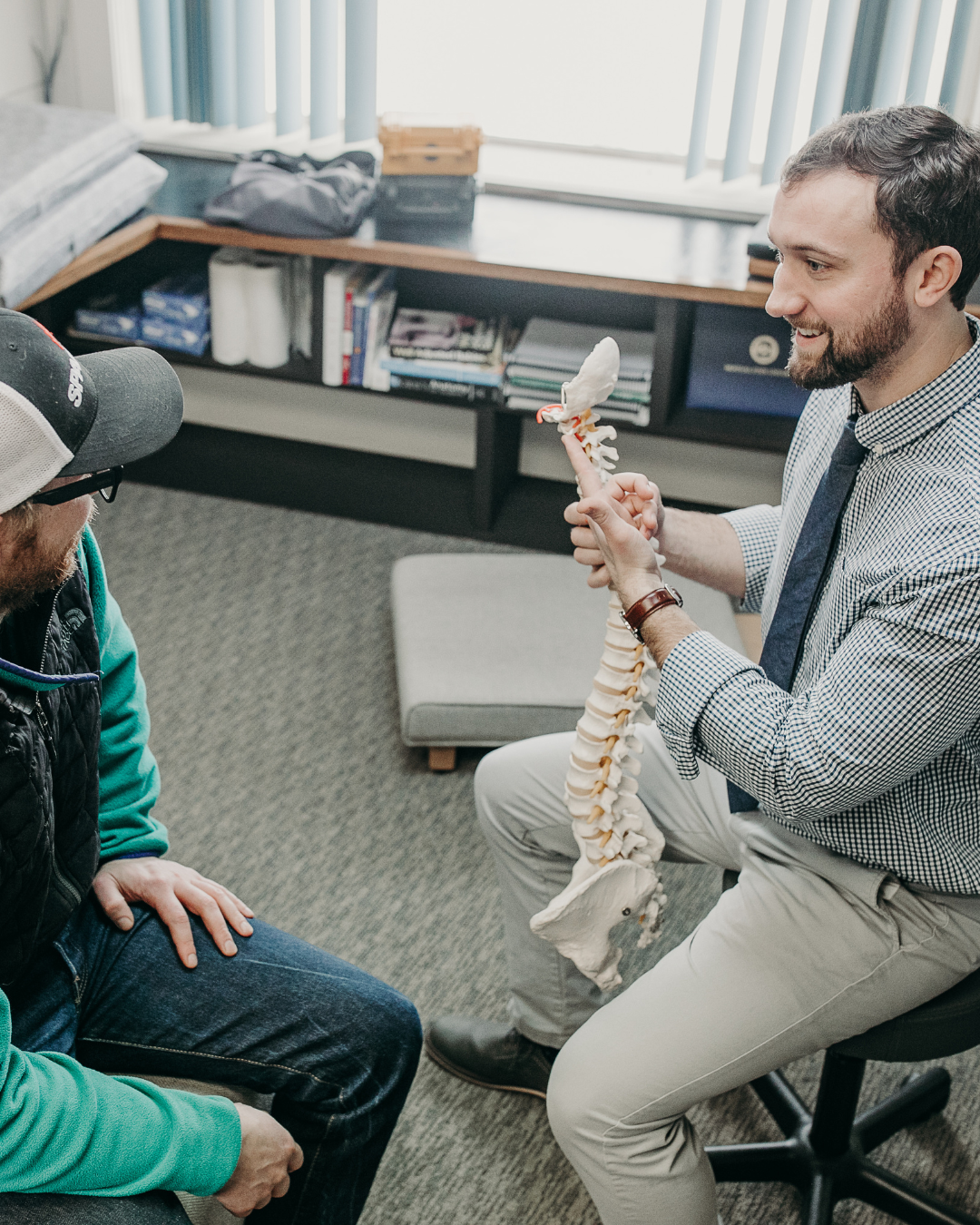
Recovering from surgery or a significant injury often means more than just healing the specific area involved — compensations, guarding, and reduced movement elsewhere in the body can build up during recovery. Chiropractic care can play a supportive role once you're cleared to begin.
Recovery after orthopedic surgery, once cleared by your surgeon
Rehabilitation following a significant sports injury
Addressing compensation patterns that developed during a long recovery period
Supporting overall function as you return to normal activity
Symptoms We Commonly See
Why Compensation Matters
During recovery from surgery or a significant injury, it's common to unconsciously favor the affected area, which can create new tension and restriction elsewhere in the body — patterns that can persist even after the original injury has healed if left unaddressed.
Understanding Post-Surgical Recovery Timelines
Recovery timelines vary enormously depending on the type of surgery, and understanding general phases can help set realistic expectations alongside your surgeon's specific guidance.
General Recovery Phases
Acute phase — immediate post-surgical period focused on protecting the surgical site and managing pain/swelling, timeline set entirely by your surgeon
Early mobilization phase — gradual reintroduction of movement, often with specific restrictions
Strengthening phase — rebuilding strength and addressing compensation patterns that developed during the earlier phases
Return-to-activity phase — progressive return to normal or sport-specific activity
Why Compensation Patterns Develop
During any period of restricted movement or pain avoidance, the body naturally shifts weight and movement to protect the affected area — and these compensations, while helpful in the short term, can become their own source of tension and dysfunction if they persist after the original issue has healed.
Common Situations We Support
Post-orthopedic surgery (once cleared by your surgeon)
Recovery from significant sprains, strains, or fractures
Addressing compensation patterns from extended use of crutches, braces, or slings
When to Seek Medical Evaluation
Always follow your surgeon's specific timeline and restrictions. Contact your surgical team promptly for signs of infection, unusual swelling, or pain that's worsening rather than improving during your expected recovery window.
Our Approach
We always work within your surgeon or physician's clearance and timeline. Once cleared, we evaluate the whole body for compensation patterns and address restrictions that may be limiting your recovery, coordinating with your other providers as needed.
This information is for educational purposes and is not a substitute for medical advice. Please get clearance from your surgeon or physician before beginning chiropractic care after surgery or a significant injury.
Frequently Asked Questions

-
This depends entirely on your specific surgery and your surgeon's guidance — always get clearance before beginning any new form of care.
-
Chiropractic care and physical therapy can work well together as complementary parts of a recovery plan. We're happy to coordinate with your PT or other providers.
-
This is a common and often overlooked part of recovery — addressing these compensation patterns can be an important piece of feeling fully recovered.
— not stuck in the in-between of "cleared to move on" and actually feeling fully recovered, still guarding an area that hasn't quite caught up.
Holistic, non-invasive chiropractic care helps to provide a clear and hopeful path forward for you and your family, meeting you exactly where you are, whether you're dealing with a nagging ache that's overstayed its welcome or searching for real answers after years of being told to just live with it. You don't have to have all the answers today — just a willingness to explore what's possible, one gentle step at a time.