

Rib Pain During Pregnancy
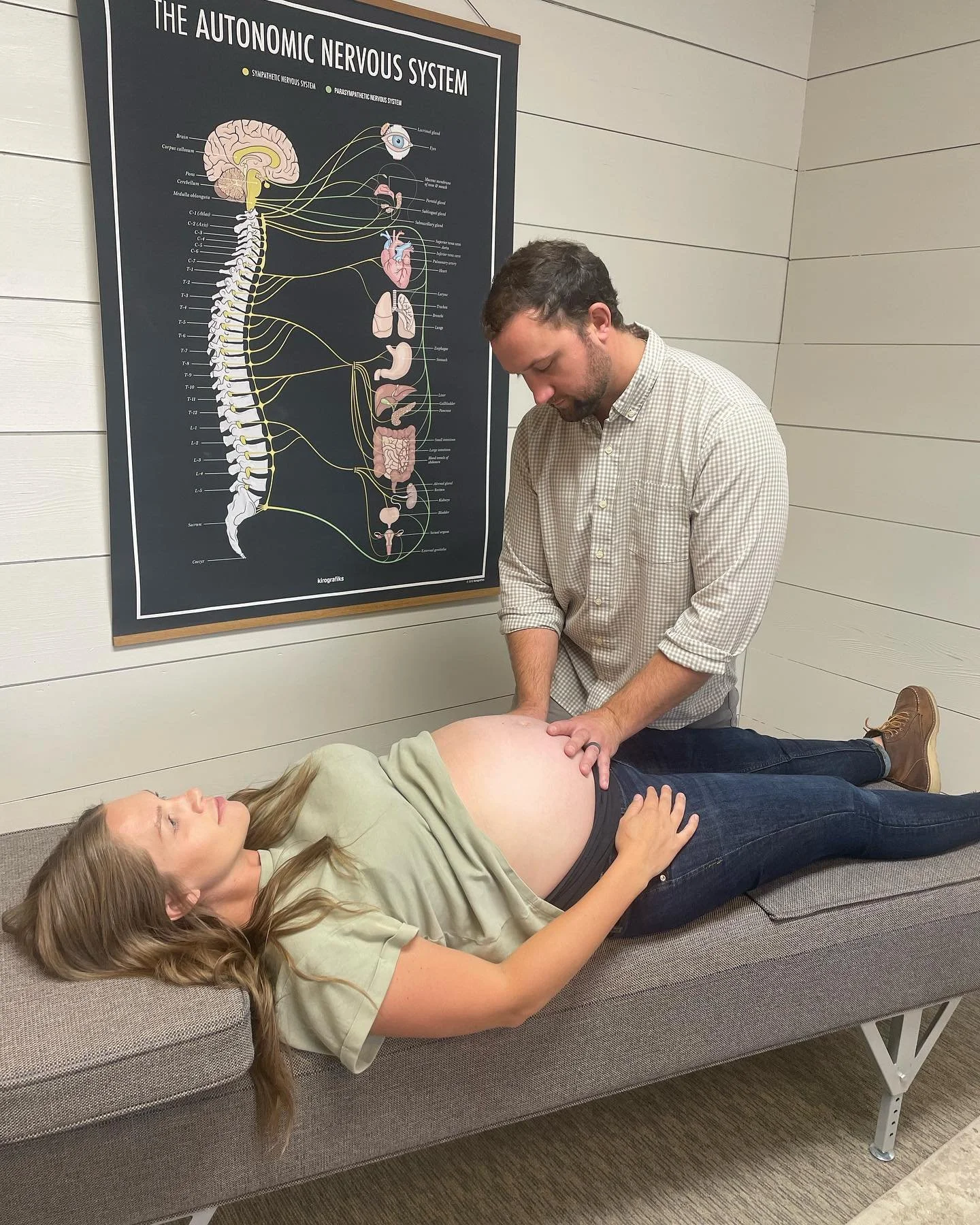
Round ligament pain is a common but often surprising symptom of pregnancy — a sharp, jabbing, or pulling sensation in the lower belly or groin, often triggered by sudden movement. At Two Sparrows, our prenatal care is specifically focused on the ligaments supporting your growing uterus.
Symptoms We Commonly See
Aching or sharp pain along the lower rib cage, often on one side
Pain that worsens with deep breathing or certain positions
A sense of pressure or tightness under the ribs
Discomfort that tends to increase as pregnancy progresses, especially in the third trimester
Understanding Pregnancy-Related Rib Pain
Rib pain during pregnancy has a few distinct contributing patterns worth understanding, since the cause affects what tends to help.
Why It Happens
As your uterus grows, it expands upward and can push against the lower ribs, especially as baby moves into different positions. This, combined with postural changes and rib cage expansion that naturally occurs during pregnancy, can lead to rib pain and tightness.
Common Contributing Patterns
Direct pressure from baby — as baby grows and moves higher in the abdomen, especially in the third trimester, direct pressure against the rib cage is common, particularly if baby's feet or head press upward
Postural changes — the growing uterus changes the angle and position of the diaphragm and rib cage, which can create generalized tension
Rib cage expansion — pregnancy hormones cause the rib cage itself to expand somewhat to accommodate increased lung capacity needs, which can create its own discomfort during the adjustment process
Why It's Often Worse on One Side
Many women notice rib pain more prominently on one side, often related to baby's positioning at that point in pregnancy — this commonly shifts as baby moves and grows.
Practical Comfort Strategies
Sitting up rather than reclining, which reduces direct rib pressure
Gentle side-bending stretches away from the affected side
Supportive pillows that allow a more upright sleeping position
When to Seek Medical Evaluation
Contact your OB or seek immediate care for rib or chest pain accompanied by shortness of breath, chest tightness, or pain that feels different from typical musculoskeletal discomfort — these require prompt evaluation to rule out other causes.
Our Approach
The Webster Technique, which we use for all our prenatal patients, specifically addresses tension in the ligaments supporting the uterus, including the round ligaments. By working to reduce uneven tension, care aims to ease the frequency and intensity of round ligament pain.
This information is for educational purposes and is not a substitute for medical advice. Please seek medical evaluation for severe or sudden rib/chest pain, especially with shortness of breath.

Frequently Asked Questions
-
Typically no — it's a common part of pregnancy as your body accommodates your growing baby. However, severe or sudden chest/rib pain, especially with shortness of breath, should always be evaluated by your OB or a physician to rule out other causes.
-
Many women find some relief from propping themselves up while sitting or sleeping, or gently stretching the torso, though relief varies by individual.
-
For many women, rib pain becomes less pronounced once baby drops lower in the pelvis closer to delivery, though this varies by pregnancy.
Every expecting mom wants to feel supported, comfortable, and confident as her body changes to make room for new life
— not catching your breath around a tightness under your ribs that seems to get worse every week.
And sometimes that means looking beyond what you've been told to simply expect, toward gentle, whole-body care that works with your body through every stage of pregnancy. Holistic, non-invasive chiropractic care helps to provide a clear and hopeful path forward for you and your family, meeting you exactly where you are, whether you're in the earliest weeks of pregnancy or counting down the final days before you meet your baby. You don't have to have all the answers today — just a willingness to explore what's possible, one gentle step at a time.