Scoliosis
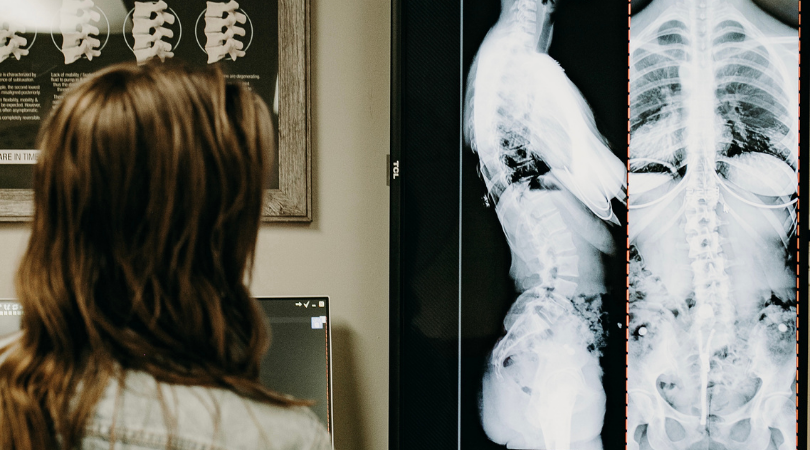
Scoliosis — a sideways curvature of the spine — can range from mild to more significant, and the right approach depends on the individual. At Two Sparrows, we support scoliosis patients with care focused on function and comfort.
Symptoms We Commonly See
Understanding Scoliosis in Adults
Adult scoliosis differs somewhat from the adolescent form, and understanding the type you're dealing with helps clarify appropriate expectations.
Why It Happens
Scoliosis can be present from birth, develop during growth (most commonly in adolescence), or occur later in life due to degenerative changes. The exact cause of the most common type, adolescent idiopathic scoliosis, isn't fully understood.
Common Types in Adults
Adult idiopathic scoliosis — a curve that developed during adolescence and persisted into adulthood, sometimes progressing slowly over decades
Degenerative (de novo) scoliosis — a curve that develops later in life due to age-related disc and joint changes, unrelated to any adolescent curve
Curve Severity Classifications
Curves are generally measured in degrees (Cobb angle) on X-ray:
Mild: under 25 degrees
Moderate: 25-40 degrees
Severe: over 40 degrees, which may warrant specialist consultation regarding additional treatment options
Common Contributing Factors to Symptoms
Degenerative changes in the discs and joints along the curve
Muscular imbalance from asymmetric spinal loading
Nerve irritation in more significant curves
When to Seek Medical Evaluation
Seek evaluation from a spine specialist for curves that are progressing, causing significant pain, or affecting neurological function (numbness, weakness, or changes in bowel/bladder function). Regular monitoring with X-rays helps track any changes in curve degree over time.
Visible curvature or asymmetry in posture, shoulders, or hips
Back pain or muscle tension, often on one side
Fatigue with prolonged standing or activity
In more significant cases, difficulty with certain movements
Our Approach
Chiropractic care doesn't reverse structural scoliosis, but it can support function, reduce compensatory pain and tension, and help patients manage the condition alongside any other care they're receiving. For patients with more significant curves, chiropractic care may complement other treatments like bracing or, in some cases, medical monitoring.
This information is for educational purposes and is not a substitute for medical advice. Please work with your physician for appropriate scoliosis monitoring and treatment.

Frequently Asked Questions
-
Chiropractic care doesn't correct structural curvature, but it can support comfort and function alongside your broader care plan. When scoliosis is more functional in nature, chiropractic care has been shown to make improvements.
-
We recommend working with your child's physician for appropriate monitoring, and chiropractic care can be a helpful complement for comfort and function.
-
Yes, X-rays are an important part of understanding the extent and progression of scoliosis, and are part of our standard exam process.
— not second-guessing every ache, wondering how much is simply the curve in your spine and how much is something more.
Holistic, non-invasive chiropractic care helps to provide a clear and hopeful path forward for you and your family, meeting you exactly where you are, whether you're dealing with a nagging ache that's overstayed its welcome or searching for real answers after years of being told to just live with it. You don't have to have all the answers today — just a willingness to explore what's possible, one gentle step at a time.