Sports Injuries
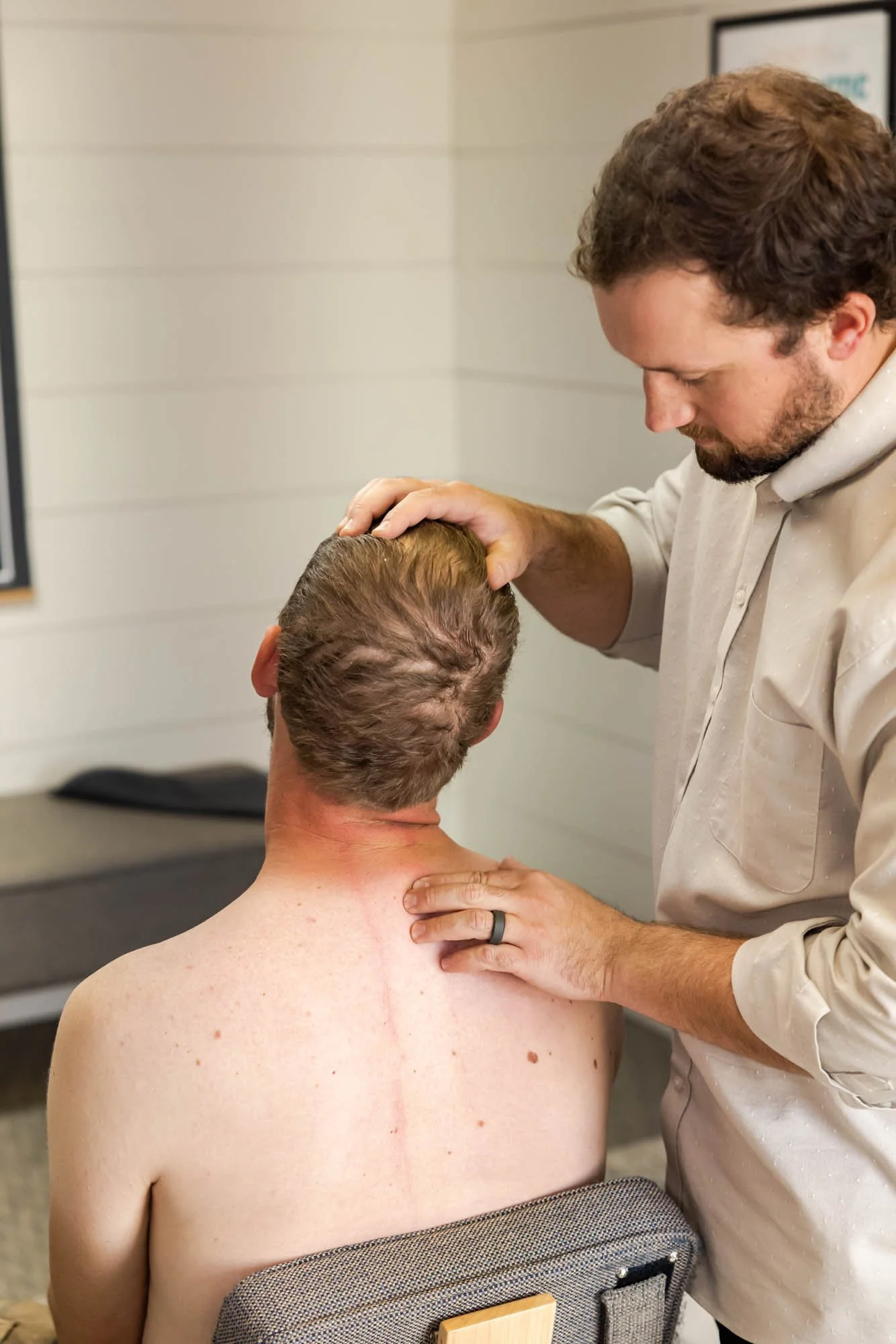
Whether you're skiing, hiking, biking, or playing a weekend rec league sport, an active lifestyle in the Flathead Valley comes with real physical demands — and occasional injuries. At Two Sparrows, we help active adults recover and get back to what they love.
Symptoms We Commonly See
Understanding Sports Injuries
Sports injuries generally fall into two broad categories, and knowing which type you're dealing with shapes the right recovery approach.
Why It Happens
Sports injuries can stem from acute trauma (a fall, collision, or sudden movement) or from repetitive strain that builds up over a season of activity. Either way, injuries often create compensations elsewhere in the body as you unconsciously favor the injured area, which can lead to secondary issues if not addressed.
Acute vs. Overuse Injuries
Acute injuries — happen suddenly from a specific incident: a fall, collision, awkward landing, or sudden movement. Examples include sprains, strains, and joint injuries.
Overuse injuries — develop gradually from repetitive stress without adequate recovery time, common in activities like running, skiing, or biking. Examples include tendinitis and stress-related joint irritation.
Common Injury Patterns by Activity
Skiing/snowboarding — knee injuries, shoulder injuries from falls, low back strain
Hiking — ankle sprains, hip and low back strain from uneven terrain
Biking — neck and low back strain from riding posture, wrist strain
Team sports — collision-related injuries, ankle sprains, overuse patterns from repetitive motions
The RICE Approach and Its Limits
For acute injuries, rest, ice, compression, and elevation (RICE) in the first 24-48 hours can help manage initial swelling — but this is a starting point, not a complete recovery plan, since it doesn't address the underlying movement restrictions that often develop afterward.
When to Seek Medical Evaluation
Seek immediate medical care for suspected fractures, significant swelling, inability to bear weight, or visible deformity. For concussions specifically, see your primary care prodiver for physician-directed management.
Joint pain following a fall, twist, or impact
Muscle strain from overuse or repetitive movement
Reduced range of motion after an injury
Ongoing compensation pain after favoring an injured area
Our Approach
We evaluate the injured area along with the rest of your spine and joints to identify any compensation patterns, then build a care plan aimed at restoring normal function — not just calming down pain, but supporting a full return to activity.
This information is for educational purposes and is not a substitute for medical advice. Please seek immediate medical care for injuries with signs of fracture, significant swelling, or inability to bear weight.

Frequently Asked Questions
-
It depends on the injury. For many soft tissue and joint-related sports injuries, chiropractic care is an appropriate first step. For injuries with signs of fracture, significant swelling, or inability to bear weight, seek immediate medical evaluation.
-
Generally, sooner is better — early evaluation and care can help prevent compensation patterns from setting in.
-
Restoring normal movement and addressing compensations is often a meaningful part of a full recovery and return to activity.
— not sitting out the trails, the slopes, or the lake this season because an injury is still holding you back.
Holistic, non-invasive chiropractic care helps to provide a clear and hopeful path forward for you and your family, meeting you exactly where you are, whether you're dealing with a nagging ache that's overstayed its welcome or searching for real answers after years of being told to just live with it. You don't have to have all the answers today — just a willingness to explore what's possible, one gentle step at a time.