

How Hydration Affects Spinal Disc Health (A Whitefish Chiropractor Explains)
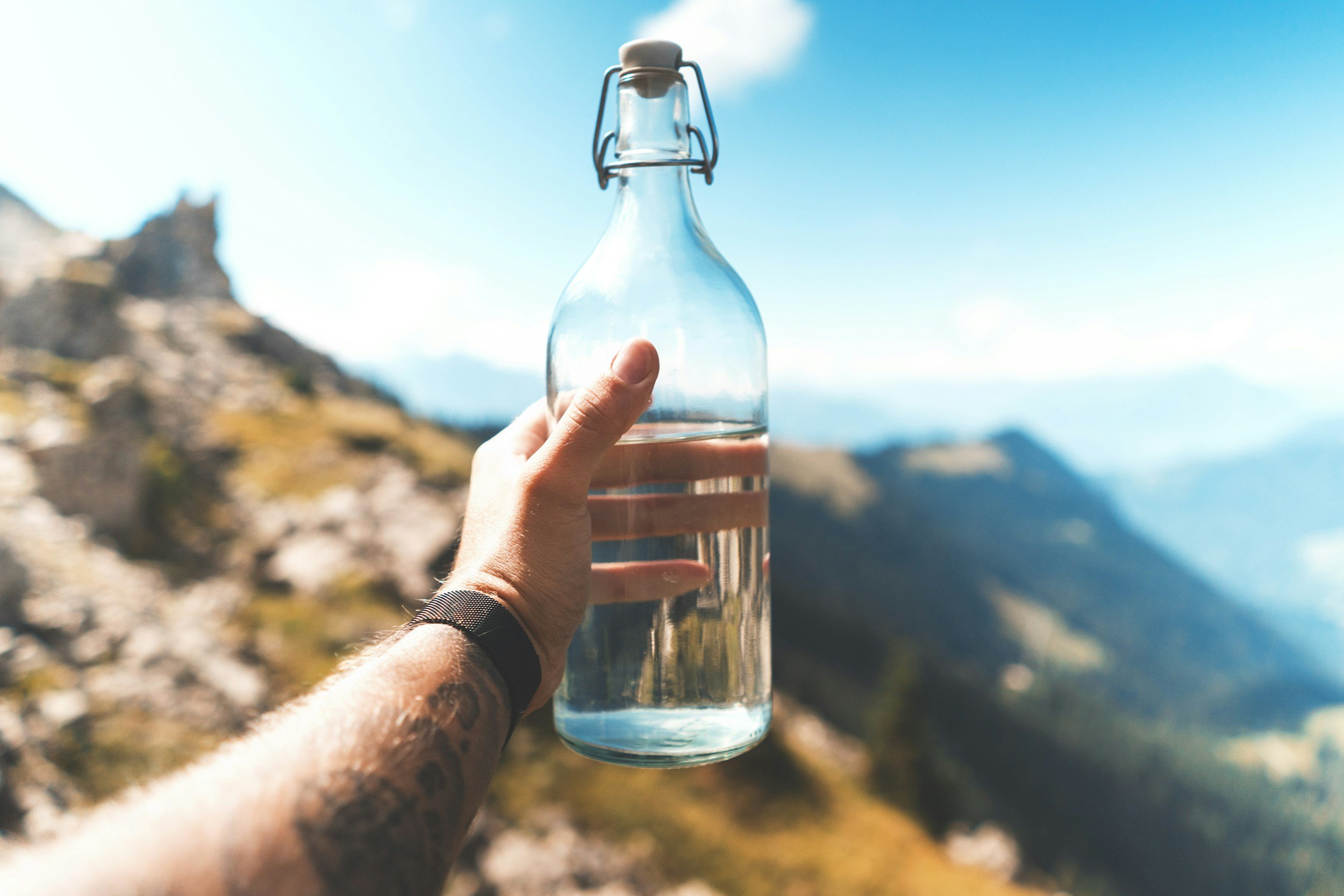
Water intake is one of the most overlooked factors in spinal health — and it matters more here than it does almost anywhere else. Montana’s elevation and dry climate put a strain on hydration that most people never account for, and your spinal discs are one of the first places that shows up.
CLINICAL HIGHLIGHT: We ask about this directly — at your first visit and at follow-ups, we'll ask whether you're drinking enough water, because it makes a real difference in how your body responds to care. Patients consistently tell us the same thing: when they're well hydrated, adjustments hold better and feel easier, and when they're not, they notice more stiffness, especially during Whitefish's driest months. We also talk with patients about electrolytes as part of their hydration plan, since water alone doesn't always get the job done at this elevation.
Why Discs Need Water
Spinal discs act as cushions between each vertebra, and they’re made up largely of water. Throughout the day, discs lose and regain fluid depending on activity, posture, and overall hydration status. Chronic dehydration can reduce disc height and cushioning capacity over time, potentially contributing to stiffness and increased strain on the spine.
Signs Dehydration May Be Affecting You
Increased stiffness, especially in the morning
More noticeable fatigue in the back with prolonged sitting or standing
Reduced flexibility compared to when you’re well-hydrated
CLINICAL HIGHLIGHT: Two patterns show up constantly here. The first is right when ski season starts — patients who spent the summer relatively sedentary suddenly loading their spine again in cold, dry conditions, and the stiffness hits harder than they expect. The second is more of a weekly pattern: people who sit at a desk all week, then go straight into a weekend of hard hiking, biking, or skiing without adjusting their water intake for the altitude and dryness first. Both groups tend to notice the same thing — the stiffness isn't really about the activity itself, it's about showing up under-hydrated for it.
Simple Habits That Help
Aim for consistent water intake throughout the day, not just when you feel thirsty
Especially in Montana’s dry climate, be mindful that dehydration can sneak up on you
Pair hydration with movement — sitting still with good hydration still limits disc nutrient exchange, since discs rely partly on movement to circulate fluid
How Discs Actually Absorb Fluid
Unlike most tissues in the body, spinal discs have very limited direct blood supply — they rely heavily on a process called imbibition, where fluid moves in and out through pressure changes during movement and rest. This is part of why both hydration and regular movement matter for disc health together: a well-hydrated body that stays sedentary all day still limits how effectively that fluid actually reaches and nourishes the discs.
Practical Hydration Targets
While individual needs vary based on body size, activity level, and climate, a commonly cited general guideline is roughly half your body weight in ounces of water daily, with more needed on active days or in Montana’s notably dry climate. Thirst alone isn’t always a reliable early indicator, especially for people who are used to being mildly dehydrated.
Signs You Might Not Be Drinking Enough
Beyond obvious thirst, watch for: dark yellow urine, persistent fatigue, headaches, and — relevant here — increased stiffness or reduced flexibility, especially noticeable first thing in the morning before the body has had a chance to rehydrate discs overnight.
How Whitefish’s Climate Changes Hydration Needs
Low humidity combined with elevation increases insensible water loss — fluid lost through breathing and skin, separate from sweating — beyond what most people moving here from more humid climates expect. Simply matching the hydration habits you had somewhere else usually isn’t enough once you’re living at Whitefish’s elevation and climate, especially through the winter months when indoor heating dries the air even further.
Foods That Contribute to Hydration
Water intake isn’t the only source of hydration — many fruits and vegetables (cucumber, watermelon, oranges, and leafy greens among them) have high water content and contribute meaningfully to overall fluid intake alongside what you drink directly, worth factoring in if you’re improving hydration through diet as well as beverage choices.
A Small Habit With a Real Impact
Staying hydrated won’t replace chiropractic care, but it’s one of the simplest things you can do to support the health of your spine between visits.
Hydration is one of those things that is SO easy that we often forget about how impactful it can actually be. One small habit that can truly change your health for the better!
Book your visit online or call (406) 249-6312.
This article is for informational purposes and is not a substitute for medical advice.
Follow Along!